





1
Reconstruct the route into opposing traffic
Ramp design, one-way signs, lane markings, construction controls, GPS data, and nearby video can help identify where the dangerous movement began.

If a wrong-way driver injured you or your family in Chicago, Mulholland Injury Law will preserve the evidence, identify every available source of accountability, and pursue the full compensation the harm requires.
Tell us what happened. A real attorney will respond within 1 business hour.
Every review below is a real Google review from a real client. Click through to verify.
It's been great working with Toby. He's an excellent attorney that helped immensely during this difficult and stressful period. I especially appreciate open honest dialogue which he always provides.
Great experience overall! Very communicative & informed me about everything every step of the way!
I was in a life-threatening car accident in April of 2023 caused by a drunk driver. I was given Toby Mulholland's information through my insurance agent, and contacting him was the BEST decision I could have possibly made. Let me just say, Toby was my advocate every step of the way - in the midst of such a traumatic accident, I had comfort knowing my Lawyer was doing everything in his power to right the wrongs of the person who nearly took my life. Everything about that experience was new to me - I had never been in an accident, dealt with insurance, filed a suit, given a deposition, etc. Toby was informative regarding all the legal processes which were taking place, and answered all questions I had - in essence: he was my biggest advocate other than myself. He is extremely organized, well spoken, and knows exactly what he is talking about. Without his help, I don't know how I would have gotten through such a turbulent time. If you find yourself in a similar position to me, where it feels like your world is collapsing, medical facilities trying to push you around, insurance companies calling you... Toby Mulholland is the person you need to shield you from the noise, the advocate you deserve, and the best Lawyer around. Thank you for everything you have done to help me in my most dire of times, Toby!
Thank You for being more than attorney and seeing My situation for more than a payout if You're looking for a Lawyer that's gonna use the law to get You what You deserve and not be bought out by big corporations make sure You give Toby a call
I have been dealing with this law firm & Mr. Toby for a while now & have brought some friends to them, everyone left satisfied, and the relationship became more than just a client but a friendship, he works with passion, explains all the steps to you & guides you to the best, five stars ⭐️
Very responsible and caring team. I recommend Mulholland law to anyone in search of a great attorney. Toby was great! he is so down to earth and easy to reach. He clarified any doubt I had and explained the whole process step by step. Thank you so much for all you've done for me and my family. I am forever grateful!
A complete investigation follows the vehicle backward from the impact to the ramp, turn, crossover, or one-way entry that put everyone in danger.
Ramp design, one-way signs, lane markings, construction controls, GPS data, and nearby video can help identify where the dangerous movement began.
Impairment, distraction, fatigue, confusion, speed, and attempts to turn around may help explain why the driver continued in the wrong direction.
Traumatic injuries can affect future care, work, mobility, independence, and family life long after the vehicles are removed.
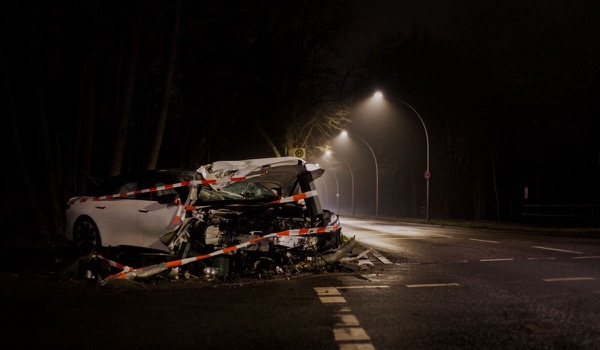
The value of a claim depends on the evidence and your individual losses. A complete review considers immediate expenses and the consequences that continue after the first hospital visit.
Emergency treatment, hospitalization, surgery, medication, rehabilitation, therapy, and projected future care.
Time away from work, reduced earning capacity, missed career opportunities, and benefits affected by the injury.
Physical pain, emotional distress, reduced independence, and the inability to enjoy activities that mattered before the crash.
Mobility equipment, home modifications, transportation, attendant care, and assistance with everyday tasks.
Permanent impairment, disfigurement, neurological injury, and other lasting changes caused by the impact.
Potential claims for funeral expenses, financial support, companionship, and other losses suffered by surviving family members.
Illinois law requires travel in the designated direction on one-way roads and the right-hand roadway on divided highways, but a civil claim still depends on proof of how the violation occurred and who contributed to the loss.
Illinois uses modified comparative-fault rules, making a careful reconstruction important whenever an insurer tries to shift part of the blame.
Video, witness accounts, crash records, electronic data, traffic controls, vehicle ownership, employment, and insurance information can reveal a broader accountability picture.
📞 Call (312) 386-6706Entry point, speed, impairment, distraction, fatigue, navigation choices, and response to warning signs can establish the driver's conduct.
Ownership, permission to drive, commercial use, work duties, and applicable insurance can affect who must answer for the loss.
Signs, pavement arrows, ramp geometry, lighting, construction changes, and maintenance records may require review when the evidence points beyond driver error.
Lane position, visibility, braking, evasive action, and event data can answer unfair claims that the victim should have avoided an oncoming vehicle.

Since starting his practice in 2000, Toby has represented people and families facing the consequences of negligence across motor vehicle collisions, wrongful death, catastrophic injury, medical malpractice, construction, premises, and other serious injury matters.
A wrong-way crash can involve catastrophic harm, rapidly disappearing video, disputed entry routes, commercial insurance, and injuries whose full effect takes time to understand. Toby's approach is to document the sequence, communicate directly with the client, and prepare the claim for litigation when a fair resolution is not offered.
You work with a lawyer who listens, explains what comes next, and remains accountable throughout the case.
Traffic and business video may be overwritten, vehicles may be repaired, temporary controls can change, and witnesses can become difficult to locate. Prompt investigation can document both the impact and the route that brought the vehicle into opposing traffic.
The evidence must distinguish a momentary wrong turn from conduct or conditions that allowed a vehicle to travel deeper into opposing traffic.
Alcohol, drugs, phone use, and divided attention may affect whether the driver saw warnings, recognized the mistake, or reacted in time.
An entrance ramp, exit ramp, or one-way street can become the starting point of a wrong-way route that should be mapped precisely.
A prohibited U-turn, median crossover, or turn across a divided roadway may place a vehicle directly into opposing lanes.
Driver history, time of day, communications, medical evidence, and vehicle data may help explain why traffic controls were missed.
Changed traffic patterns, temporary barriers, lighting, vegetation, damaged signs, or obscured pavement arrows may require investigation when supported by the scene evidence.
Employment records, schedules, training, vehicle ownership, and business insurance may matter when the driver was working at the time.
We advance the cost of investigating and pursuing the claim. You do not pay an attorney fee unless compensation is recovered.
You focus on medical care and recovery. We preserve the evidence, deal with the insurers, and keep you informed.
Tell us the road, ramp or one-way entry, travel directions, impact sequence, injuries, and any witnesses or photographs.
We identify cameras, traffic controls, witnesses, police records, scene evidence, vehicle information, electronic data, and insurance.
Medical care, future needs, income loss, disability, pain, and every documented consequence are evaluated.
We negotiate from the evidence and prepare for litigation when the responsible parties will not offer a fair result.
Safety comes first. These steps can also help create a clearer record of what happened.
Seek appropriate care, follow treatment recommendations, and report new symptoms instead of waiting for them to become severe.
Save photographs, video, witness contacts, police information, the road and direction of travel, and anything remembered about where the vehicle entered.
Do not guess about speed, visibility, or what could have been done differently in a recorded statement before the evidence is reviewed.
A prompt review can identify cameras, traffic-control records, insurance, deadlines, and the next step without obligating you to proceed.
Mulholland Injury Law reviews wrong-way collision claims involving city streets, one-way roads, entrance and exit ramps, divided highways, expressways, commercial vehicles, and fatal crashes throughout Chicago and surrounding Illinois communities.
Every case depends on its own evidence, insurance, injuries, and timeline. These answers explain what we evaluate during a free review.
The wrong-way driver may be responsible, and the evidence may also require review of a vehicle owner, employer, commercial operator, rideshare company, insurer, or another party connected to the driver's conduct or roadway conditions. The facts and applicable law determine who belongs in the claim.
Important evidence can include traffic and business video, dashcams, 911 calls, witness information, police reports, scene photographs, traffic-control records, vehicle and GPS data, phone records, toxicology evidence, medical records, and work-loss documentation.
Impairment evidence can be central to the liability investigation. If the driver has little or no insurance, your own uninsured or underinsured motorist coverage and any other applicable policy should be reviewed before conclusions are drawn about available compensation.
An insurer may examine the injured person's response, but a wrong-way driver can leave almost no safe reaction time. Illinois comparative-fault rules make video, sight distance, speed, braking, lane position, and vehicle data important before accepting any attempt to assign blame.
A fatal collision may support claims under Illinois law for losses suffered by the estate and surviving family members. The proper representative, available claims, deadlines, and evidence should be reviewed promptly and individually.
Value depends on liability evidence, available insurance, medical expenses, future care, lost income, disability, pain, scarring, and the crash's effect on daily and family life. No responsible evaluation can be made from the diagnosis alone.
Deadlines vary based on the parties and facts, and some claims require earlier notice. Evidence may disappear long before the filing deadline, so the specific timeline should be reviewed promptly.
The consultation is free. Injury cases are handled on a contingency fee, so you do not pay an attorney fee unless compensation is recovered. The agreement is explained in writing before representation begins.
A free, confidential review can help identify who may be responsible, what evidence should be preserved, and what sources of compensation may be available.