





Experienced Legal Team
Our firm has decades of experience and a deep understanding of the current laws and local rules, ensuring you receive the best possible representation.

Medical bills, missed work, and calls from the insurance company can pile up fast. Toby P. Mulholland can take over the legal fight, explain your options in plain words, and pursue the compensation your case deserves.

Tell us what happened. There is no cost to ask questions and no pressure to hire the firm. Your first step takes only a minute.
Complete the form and the firm will follow up about your case.
Every review below is a real Google review from a real client. Click through to verify.
It's been great working with Toby. He's an excellent attorney that helped immensely during this difficult and stressful period. I especially appreciate open honest dialogue which he always provides.
Great experience overall! Very communicative & informed me about everything every step of the way!
I was in a life-threatening car accident in April of 2023 caused by a drunk driver. I was given Toby Mulholland's information through my insurance agent, and contacting him was the BEST decision I could have possibly made. Let me just say, Toby was my advocate every step of the way - in the midst of such a traumatic accident, I had comfort knowing my Lawyer was doing everything in his power to right the wrongs of the person who nearly took my life. Everything about that experience was new to me - I had never been in an accident, dealt with insurance, filed a suit, given a deposition, etc. Toby was informative regarding all the legal processes which were taking place, and answered all questions I had - in essence: he was my biggest advocate other than myself. He is extremely organized, well spoken, and knows exactly what he is talking about. Without his help, I don't know how I would have gotten through such a turbulent time. If you find yourself in a similar position to me, where it feels like your world is collapsing, medical facilities trying to push you around, insurance companies calling you... Toby Mulholland is the person you need to shield you from the noise, the advocate you deserve, and the best Lawyer around. Thank you for everything you have done to help me in my most dire of times, Toby!
Thank You for being more than attorney and seeing My situation for more than a payout if You're looking for a Lawyer that's gonna use the law to get You what You deserve and not be bought out by big corporations make sure You give Toby a call
I have been dealing with this law firm & Mr. Toby for a while now & have brought some friends to them, everyone left satisfied, and the relationship became more than just a client but a friendship, he works with passion, explains all the steps to you & guides you to the best, five stars ⭐️
Very responsible and caring team. I recommend Mulholland law to anyone in search of a great attorney. Toby was great! he is so down to earth and easy to reach. He clarified any doubt I had and explained the whole process step by step. Thank you so much for all you've done for me and my family. I am forever grateful!
These outcomes show the level of work the firm brings to serious injury cases. Each new claim is different, so no past result can promise the outcome of another case.
A client suffered several serious injuries in a vehicle crash. The recovery addressed medical treatment, lost income, and long-term rehabilitation.
An injured construction worker pursued a claim tied to unsafe jobsite conditions. The result included a settlement and a reduction of the workers' compensation lien.
The family of a man killed in a truck crash recovered funds for financial loss, funeral costs, and loss of companionship.
Unsafe conditions at a hotel caused serious injuries. The settlement accounted for medical care and future harm.
A worker was hurt while doing a job in the underground tunnel system at O'Hare Airport. The recovery covered lost wages and continued medical care.
A truck driver tore a rotator cuff in a serious fall. The recovery included funds for surgery, rehabilitation, and lost income.
Some case results are subject to confidentiality agreements. Past results do not guarantee future outcomes. Every case is unique and must be evaluated on its own facts and circumstances.
Toby P. Mulholland started his law practice in 2000. For more than 25 years, he has helped people who were seriously hurt by someone else's careless actions. His work stays focused on injury victims, not insurance companies or large corporations.
His experience covers car and truck crashes, wrongful death, construction accidents, unsafe property claims, dog bites, and catastrophic injuries. He has worked through jury trials, mediations, arbitrations, and depositions. He is also known in Illinois, Wisconsin, and Arizona for finding practical ways to move difficult cases forward.
Clients often point to the same strength: Toby stays available and explains what comes next.
At Mulholland Injury Law, we represent injured clients in a comprehensive range of accident and injury cases. Our firm’s vast and dedicated experience allows our firm to be equipped to handle various types of personal injury claims complex or otherwise, ensuring that you receive expert representation tailored to your specific situation. Here are the key practice areas we cover:

Car accidents can result in severe injuries and significant financial losses. We help you navigate the complexities of car accident claims, working diligently to secure the compensation you deserve for medical bills, lost wages, pain and suffering and other economic and non-economic damages.
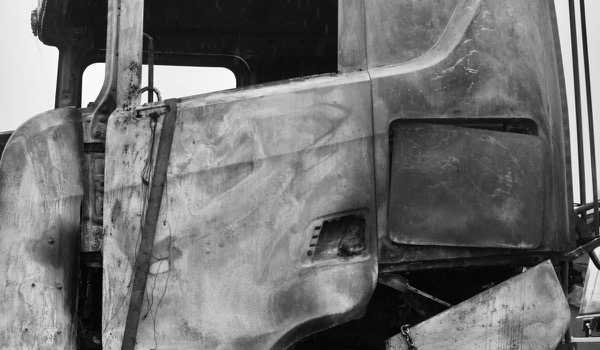
Truck accidents often involve complex state and federal regulations and other complex issues. We have the expertise to handle these cases, fighting for justice and compensation for victims of trucking accidents.

Motorcyclists are particularly vulnerable on the road, not because of their negligence but the negligence of others sharing the road with them. We understand that most motorcyclists are very well trained, experienced and safe, more so than most other drivers on the road. Our team is dedicated to fighting for the rights of injured motorcyclists, ensuring they receive the necessary compensation to recover and rebuild their lives.

Construction accidents can lead to severe injuries or fatalities, leaving victims with medical bills and lost wages. An experienced injury lawyer can help navigate these challenges, securing fair compensation by investigating the accident, determining liability, and negotiating with insurance companies. Their expertise ensures that injured workers receive the financial support needed for recovery.

Injuries at work can disrupt your life and career. We help you pursue workers’ compensation claims and additional legal remedies to cover your medical expenses, rehabilitation costs, lost income and other damages, including a monetary settlement.

When healthcare providers fail to meet the standard of care, the consequences can be devastating. We represent victims of medical malpractice, striving to obtain justice and financial recovery for those harmed by medical negligence.

Property owners have a duty to maintain safe environments. If you’ve been injured in a slip and fall accident due to negligence, we will hold the responsible parties accountable and seek compensation for your injuries.

Losing a loved one due to someone else’s negligence is a profound tragedy. Our compassionate law firm provides the support and legal expertise needed to pursue a wrongful death claim, seeking justice and compensation for your loss.

Defective products can cause serious injuries. We represent clients injured by faulty or dangerous products, holding manufacturers and distributors accountable for their negligence.
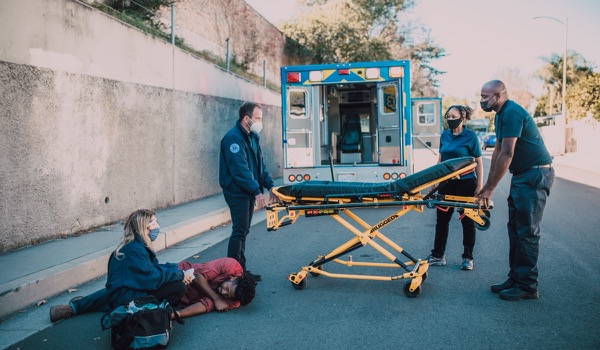
Pedestrians are at high risk in traffic accidents. We advocate for injured pedestrians, working to secure compensation for medical treatment, lost wages, and other damages.

Bicyclists often suffer severe injuries in collisions with motor vehicles. Our attorneys are committed to protecting the rights of injured cyclists and ensuring they receive fair compensation.
Our firm has a proven track record of securing great results for our clients. We investigate every detail of your case from the beginning all the way through litigation. We employ advanced legal strategies, and aggressively negotiate with insurance companies and defense attorneys to ensure you receive the full compensation you deserve. With us on your side and fighting for you, you can focus on your health and recovery while we handle all the legal aspects of your case.
We understand that dealing with insurance companies can be confusing, stressful and time consuming. When hiring Mulholland Personal Injury Lawyers in Chicago, IL, we immediately start dealing with the insurance company to relieve you of the stress and confusion. You can then focus on getting better and your health and life.
Our firm has decades of experience and a deep understanding of the current laws and local rules, ensuring you receive the best possible representation.
Representing our commitment to providing expert legal services with professionalism and precision, ensuring your case is handled with the utmost authority.
Embodying our commitment to fairness, striving to ensure every client receives impartial and equitable treatment, upholding the principles of justice in every case.
You focus on healing. We handle the legal work and keep you informed at each step.
Call or complete the form. The first consultation is free and there is no obligation.
We gather evidence, speak with witnesses, request records, and study the full effect of your injury.
We present the claim and negotiate with the insurer. If the offer is not fair, we can prepare the case for court.
If money is recovered, our attorney fee comes from that recovery. If no money is recovered, you owe no attorney fee.
You do not need to know legal terms before you call. Start with what happened and get answers about your options.
The first case review is free. The firm handles injury cases on a contingency-fee basis. This means you pay no attorney fee unless money is recovered for you.
The value depends on the facts. Important factors may include who was at fault, your medical costs, lost income, future care, pain, and how the injury changes daily life. A lawyer must review the details before giving you a useful estimate.
Illinois law may still allow a recovery when your share of fault is 50% or less, but the amount can be reduced by your share of fault. The rule can be different for some claims, so a case review is important.
You do not have to decide on the spot. A fast offer may come before the full cost of treatment and lost income is known. Consider getting legal advice before you sign a release or accept a final settlement.
It is usually better to ask for help early. Filing deadlines vary by claim, and useful evidence can disappear. A prompt review can help you understand the deadline that applies to your situation.
Many injury claims are resolved through a settlement. If the insurance company will not offer a fair result, the firm can discuss the next steps and prepare the case for court when needed.
Start with a free, confidential case review. Tell us what happened and learn what your next step could be. There is no obligation and no attorney fee unless we recover money for you.